
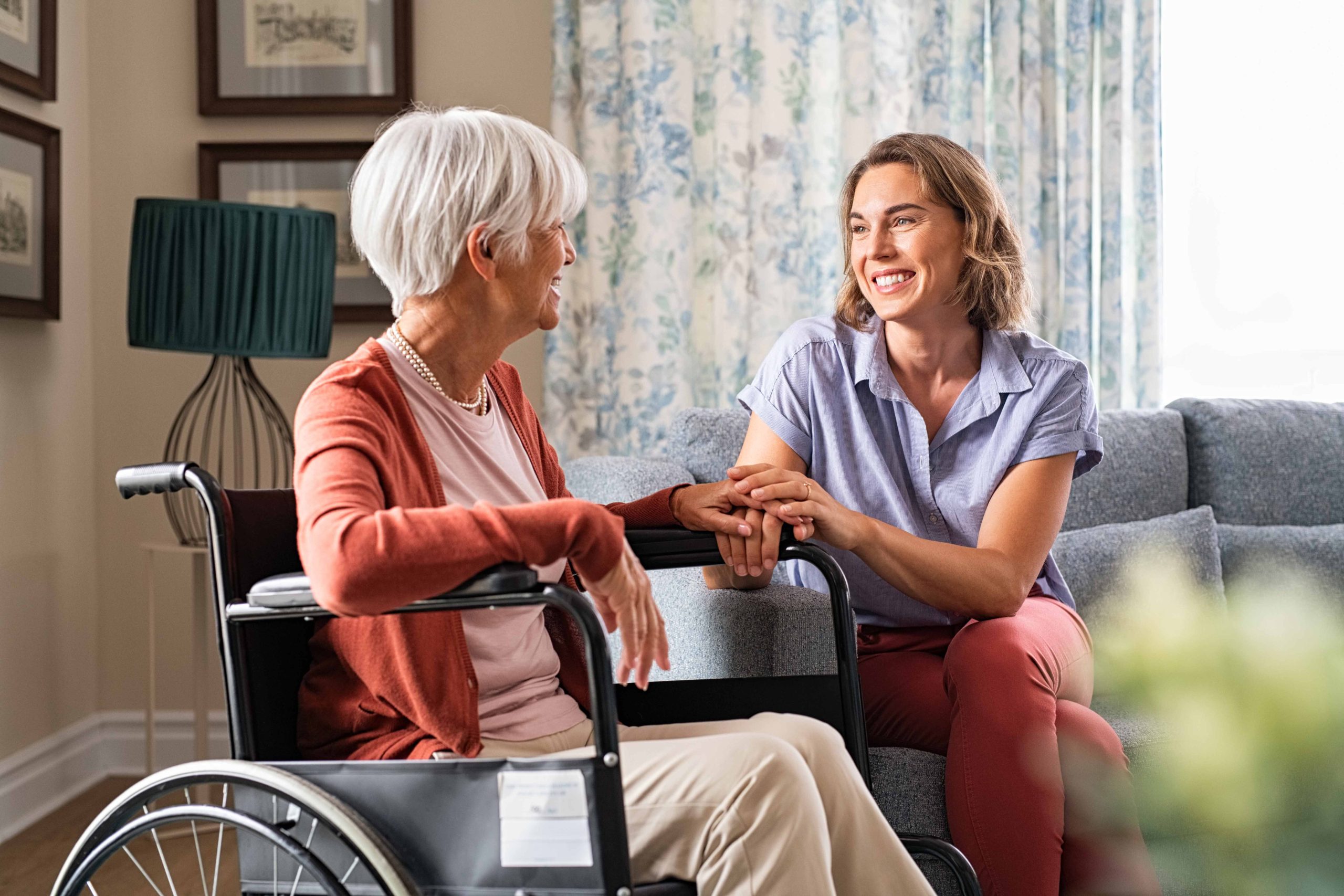
Effective caregiving extends far beyond providing physical assistance. At its core, high-quality home care is built on trust, collaboration, and clear communication. For seniors and individuals receiving in-home care, regular communication between caregivers and families is essential to ensuring safety, emotional well-being, and continuity of care. At Acti-Kare, we recognize that open and consistent communication is a foundational element of exceptional caregiving services.
This article explores why ongoing communication matters, how it benefits everyone involved, and best practices for maintaining strong communication between caregivers and families.
Why Communication Is Critical in Home Care
Home care often involves multiple stakeholders: the client, professional caregivers, family members, and sometimes healthcare providers. Without regular communication, gaps can form that may impact care quality, safety, or emotional health.
Clear communication ensures that:
When caregivers and families communicate effectively, they function as a unified care team with the shared goal of improving the client’s quality of life.
Enhancing Client Safety and Health Outcomes
One of the most important reasons for consistent communication is client safety. Seniors and individuals with chronic conditions may experience subtle changes in mobility, cognition, appetite, or mood that require attention.
Regular updates from caregivers allow families to:
For example, a caregiver may notice increased fatigue or confusion during daily routines. Promptly communicating these observations enables families and care coordinators to take proactive steps, potentially preventing hospitalizations or complications.
Supporting Emotional Well-Being and Trust
Receiving care in the home can be an emotional experience for both clients and their families. Open communication fosters trust and reassurance, especially for families who may not be present every day.
When families are kept informed:
For clients, knowing that caregivers and family members communicate regularly reinforces a sense of stability and support. This trust is essential for building strong caregiver-client relationships and promoting emotional well-being.
Ensuring Consistency and Continuity of Care
Consistency is a key component of effective home care. Communication helps ensure that caregivers understand personal preferences, routines, and evolving needs.
Through regular dialogue, families can share important details such as:
Caregivers, in turn, can provide feedback on what is working well and where adjustments may be beneficial. This two-way communication allows care to remain personalized, respectful, and consistent over time.
Reducing Misunderstandings and Conflict
Miscommunication or lack of information can lead to frustration, unmet expectations, or conflict. Regular communication establishes clarity around roles, responsibilities, and care objectives.
Proactive communication helps:
At Acti-Kare, we encourage open dialogue to ensure everyone involved feels heard, valued, and informed.
Empowering Caregivers Through Family Collaboration
Caregivers perform best when they feel supported and informed. Families play a crucial role in providing context about their loved one’s history, preferences, and personality.
Regular communication allows caregivers to:
This collaborative relationship enhances caregiver satisfaction and contributes to higher-quality care delivery.
Best Practices for Effective Caregiver-Family Communication
To maximize the benefits of communication, it is important to establish clear and consistent practices. Some best practices include:
Establishing Preferred Communication Channels
Families and caregivers should agree on how updates will be shared, whether through phone calls, text messages, written notes, or care logs.
Scheduling Regular Check-Ins
Routine check-ins, such as weekly or bi-weekly updates, provide structured opportunities to discuss progress, concerns, and care plan adjustments.
Encouraging Transparency
Caregivers should feel comfortable sharing observations, while families should feel empowered to ask questions or provide feedback.
Documenting Important Information
Maintaining written records of medications, appointments, and care notes ensures continuity and accuracy, especially when multiple caregivers are involved.
Involving Care Coordinators When Needed
Professional care agencies like Acti-Kare offer care coordination support to facilitate communication and address concerns promptly.
How Acti-Kare Prioritizes Communication
At Acti-Kare, we understand that exceptional care depends on strong partnerships between caregivers and families. Our approach emphasizes clear communication, accountability, and collaboration at every stage of care.
We prioritize communication by:
Our goal is to create a seamless care experience where families feel informed, supported, and confident in their loved one’s care.
Building Stronger Care Through Communication
Regular communication between caregivers and families is not optional—it is essential. It enhances safety, improves health outcomes, strengthens trust, and ensures care remains personalized and consistent. By fostering open dialogue and collaboration, families and caregivers can work together to provide the highest level of care possible.
At Acti-Kare, we believe that communication is the cornerstone of compassionate, reliable home care. By keeping families informed and caregivers supported, we help create a care environment where clients can thrive with dignity and comfort in their own homes.
If you would like to learn more about Acti-Kare’s commitment to quality home care and caregiver-family collaboration, we invite you to contact us today.
 Recent Posts
Visit any critical care unit, children’s hospital, or other specialty inpatient facility, and you’ll find a common feature: therapy dogs. For decades, healthcare practitioners have understood the surprisingly positive effects on patients of time spend with cute and cuddly dogs.

Doctors are in increasingly short supply these days, so it’s not uncommon for patients to spend more time with physician assistants (PAs) and nurse practitioners (NPs) than their actual MD. This trend has sparked controversy among physicians and patients alike.
 0 Comments
 Emily N.
  December 16 ,
2025
December 16 ,
2025 
