
From voice-activated lighting and smart thermostats to medication reminders and video doorbells, technology can help simplify household tasks, reduce certain safety risks, and make it easier for family members to stay connected with loved ones. These tools can also provide caregivers with additional ways to support daily routines without taking away an individual’s sense of control.
Understanding how smart home technology supports independent living can help families make informed decisions about which solutions may be most beneficial. Whether an older adult lives alone or receives assistance from a family member or professional caregiver, the right combination of technology and personal support can help make everyday life more manageable.
What Is Smart Home Technology?
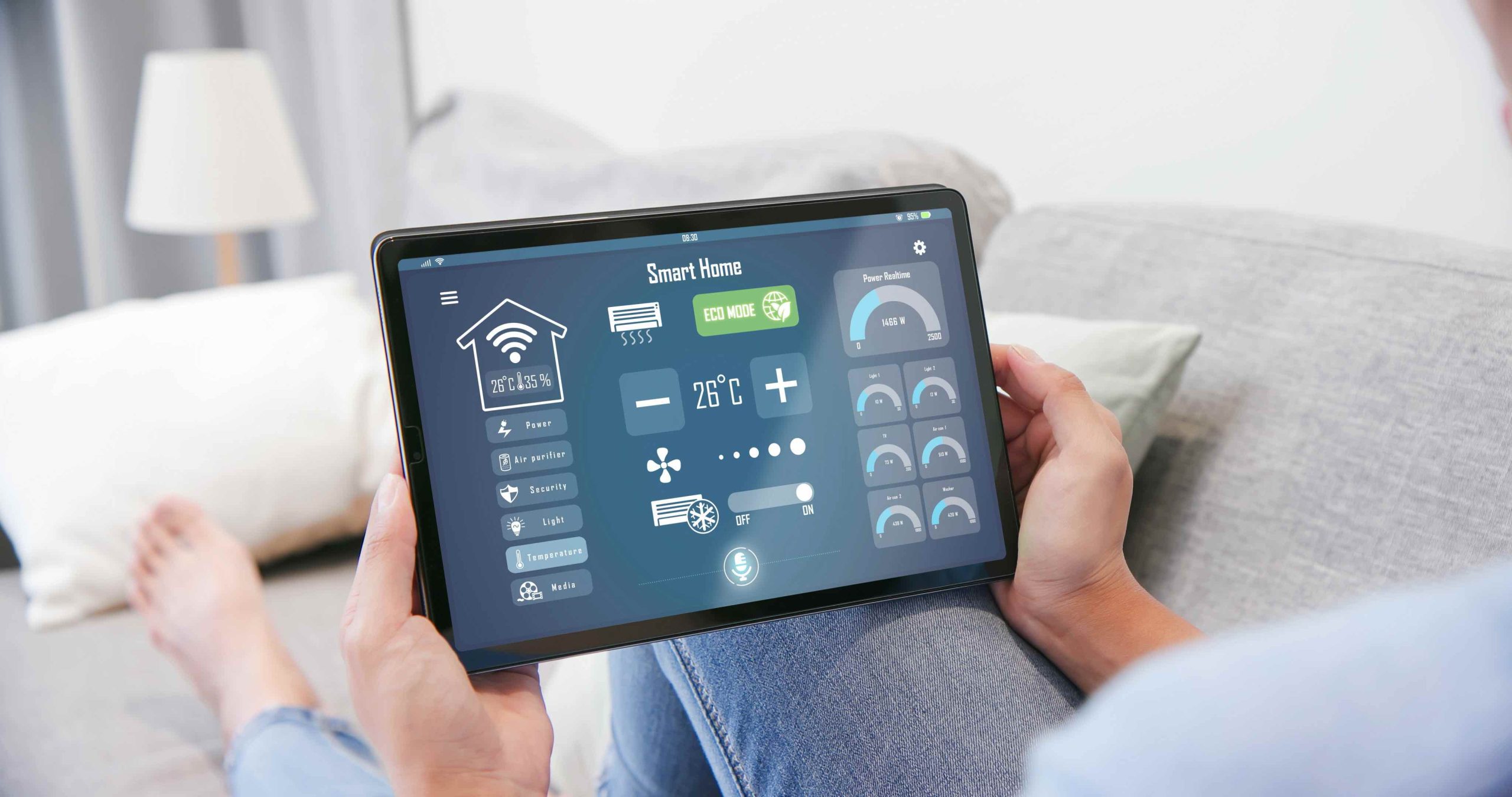
Smart home technology refers to internet-connected devices and automated systems that allow people to monitor, control, or manage different aspects of their homes. Many devices can be operated through a smartphone, tablet, voice assistant, or automated schedule.
Although smart home technology is often associated with convenience, it can also serve practical purposes for older adults who want to maintain their independence.
Common examples include:
Not every household needs all these features. The most effective approach is to identify specific challenges an older adult experiences and choose technology that addresses those needs.
Falls are a significant safety concern for older adults, particularly when navigating dimly lit hallways, stairs, bathrooms, and bedrooms. Getting up at night to use the bathroom or moving through an unfamiliar room can be especially challenging when visibility is limited.
Smart lighting can help make these areas easier to navigate.
Motion-activated lights can automatically illuminate hallways, entryways, and other frequently used spaces when someone enters. Smart bulbs can also be scheduled to turn on at specific times or controlled through voice commands, reducing the need to reach for a switch in the dark.
For example, an older adult could use a voice assistant to turn on bedroom lights before getting out of bed or activate hallway lighting without searching for a wall switch.
Families can also consider smart night-lights for bathrooms and stairways, where visibility is particularly important.
However, smart lighting is only one part of fall prevention. Secure handrails, clear walkways, nonslip surfaces, appropriate footwear, and regular assessment of home safety remain important. Automated lights should be tested regularly to ensure they work as intended.
Voice assistants can help older adults manage routine activities without needing to operate multiple switches, buttons, or screens.
Devices that respond to voice commands may allow users to adjust lighting, change thermostat settings, set timers, play music, check the weather, or call designated contacts using compatible services.
This can be especially helpful for individuals who have difficulty using small touchscreens or reaching controls around the home.
Voice assistants can also support daily routines by setting reminders for appointments, meals, household tasks, and other activities. Some devices allow users to create recurring reminders, making it easier to maintain a consistent schedule.
For individuals who experience mild difficulties with organization or remembering routine tasks, these reminders may provide useful reinforcement. However, they should not be treated as a substitute for appropriate supervision or clinical support when memory difficulties affect safety.
When choosing a voice assistant, consider how easily the person can understand its responses, whether it recognizes their voice reliably, and whether the available features meet their needs.
It is also important to review privacy settings, microphone controls, and the device’s ability to function during internet or power outages.
Feeling safe at home is essential to independent living. Smart security devices can help older adults monitor their surroundings while allowing authorized family members to provide support when appropriate.
Video doorbells, smart locks, and connected security systems are common options.
A video doorbell can show who is at the door, allowing an individual to decide whether to answer without immediately opening it. Some models include two-way audio, which makes it possible to speak with visitors through a connected device.
Smart locks can allow authorized users to lock doors remotely or provide temporary access codes to trusted family members and caregivers. This may be useful when an older adult needs assistance but has difficulty reaching the door.
Connected security systems can also provide alerts about doors or windows being opened, depending on the devices installed.
These features should be configured carefully. Families should use strong, unique passwords, enable available security protections, and limit access to trusted individuals. Remote access should be established with the older adult’s knowledge and consent whenever possible.
Technology can improve convenience and awareness, but it cannot guarantee that a home will be secure. Traditional safety practices and appropriate emergency procedures remain essential.
Taking medications according to a prescribed schedule can become more difficult when an individual manages several prescriptions or has a busy daily routine.
Smart medication reminders can help by providing alerts when it is time to take a medication. Depending on the device, reminders may appear on a smartphone, sound an alarm, or be delivered through a dedicated medication dispenser.
Some automated dispensers release preloaded medication at designated times and may alert a caregiver if a scheduled dose is not accessed. Features vary by product, so families should understand exactly what a device can and cannot monitor.
These tools may help reinforce routines and reduce certain types of medication-management errors. However, a reminder does not confirm that a medication was swallowed, and a missed alert does not necessarily indicate that a dose was missed.
For older adults who need assistance organizing medications or understanding instructions, a pharmacist, healthcare provider, or qualified caregiver may still be needed.
Before purchasing a smart medication device, consider the complexity of the medication schedule, the individual’s ability to operate the equipment, and whether someone will be available to respond if a problem occurs.
Technology should complement an appropriate medication-management plan rather than replace professional guidance.
Maintaining a comfortable indoor temperature is important for everyone, but older adults may be more vulnerable to health complications associated with extreme heat or cold.
Smart thermostats allow users to adjust temperatures through an app, voice assistant, or automated schedule. Some models also provide alerts when indoor temperatures move outside a selected range.
For an older adult who has difficulty reaching a thermostat or remembering to adjust it, these features can simplify temperature management.
Family members or authorized caregivers may also be able to help adjust settings remotely when appropriate.
Smart thermostats can be particularly useful when paired with a plan for extreme weather. Families should make sure heating and cooling systems are properly maintained and that the home remains safe during power outages.
A connected thermostat does not eliminate the risks of extreme temperatures, especially if electricity or internet access is interrupted. Regularly check the home’s temperature during severe weather and follow local safety recommendations.
Some smart home systems use motion sensors, door sensors, and other connected devices to provide information about activity in the home.
For example, a motion sensor may activate a light when someone enters a hallway, while a door sensor can send an alert when an exterior door opens. Certain systems can notify designated contacts if activity differs from a configured routine.
These features may be helpful for families who want an additional way to check on a loved one, particularly when they cannot visit every day.
However, activity monitoring must be interpreted carefully. A change in routine does not automatically mean an emergency has occurred. An older adult may simply be sleeping later, spending time outside, or choosing a different daily schedule.
Families should discuss monitoring arrangements with the individual and establish clear expectations about which alerts will be received, who will respond, and when further assistance is necessary.
Privacy and personal choice are especially important. Monitoring should be proportionate to the individual’s needs, and cameras or other intrusive devices should never be installed without appropriate consent.
Wearable emergency response devices can offer another layer of support for older adults who live alone or have an increased risk of falling.
Depending on the model, these devices may include an emergency call button, fall-detection capabilities, location tracking, or two-way communication with a monitoring service.
If the wearer needs help, they may be able to activate the device to contact an emergency response center or designated contact. Some systems can automatically initiate an alert after detecting a possible fall.
These devices can be particularly valuable for people who may not be able to reach a telephone quickly after an accident.
However, fall detection is not perfect. A device may fail to recognize certain falls or may generate false alerts. Some products require a subscription, cellular connectivity, or regular charging.
Before choosing a wearable device, review its coverage area, battery life, water resistance, response procedures, and ongoing costs. Make sure the older adult is comfortable wearing it and understands how to use it.
A wearable emergency device should be part of a broader safety plan, not the only source of protection.
Supporting an older adult’s independence does not mean family members must manage every responsibility alone. Smart home devices can help families coordinate care and stay informed about certain aspects of daily life.
For example, shared calendars and digital reminders can help family members coordinate appointments, grocery deliveries, and other responsibilities. Video calling devices can make it easier for relatives to check in regularly, even when they live far away.
Some connected systems can also provide notifications about specific events, such as a door opening or a scheduled reminder going unanswered.
These tools may help families identify when additional assistance is needed. They can also reduce the need for repeated phone calls about routine tasks, allowing family interactions to focus more on companionship and meaningful connection.
Still, technology cannot replace the personal attention, judgment, and human interaction that many older adults need. An alert system does not provide companionship, assist with bathing or dressing, prepare meals, or respond to every unexpected situation.
For families balancing work, personal responsibilities, and caregiving, technology may be most effective when combined with a reliable support network and appropriate in-home care services.
With so many products available, deciding where to start can feel overwhelming. The best solution is not necessarily the newest or most expensive device. It is the one that addresses a real need and is practical for the person using it.
Consider these steps when evaluating smart home technology:
Identify the main challenges. Determine whether the greatest concerns involve lighting, mobility, medication reminders, home security, communication, or emergency response.
Consider the user’s preferences. Ask the older adult which tasks they find difficult and which types of technology they would feel comfortable using.
Prioritize ease of use. Look for clear instructions, simple controls, accessible displays, and features that do not require frequent troubleshooting.
Check compatibility. Some devices work only with specific phones, apps, voice assistants, or home networks. Confirm compatibility before purchasing.
Evaluate costs. Compare the purchase price, installation expenses, subscription fees, replacement batteries, and ongoing maintenance.
Review privacy and security. Understand what information a device collects, who can access it, and how to control permissions.
Plan for outages. Determine what happens if electricity, Wi-Fi, cellular service, or a device battery fails. Maintain alternative ways to contact help.
Introduce technology gradually. Start with one or two useful devices and allow time to learn how they work before adding more.
Whenever possible, involve the older adult in the decision-making process. Technology is most effective when it supports the person’s goals and preserves their sense of independence.
Can Smart Home Technology Replace In-Home Care?
Smart home technology can make everyday tasks easier and provide useful safety features, but it cannot replace every form of assistance an older adult may need.
Many individuals benefit from a combination of technology, family involvement, community resources, and professional in-home care. While automated systems can provide reminders and alerts, a person may still need help with meal preparation, light housekeeping, personal care, transportation, or everyday activities.
In-home caregivers can also provide companionship, observe changes in a person’s condition, and offer practical assistance that technology alone cannot deliver.
Families should regularly reassess whether their loved one’s current support arrangements remain appropriate. If daily activities become more difficult, falls occur, or memory changes begin affecting safety, speak with relevant healthcare professionals and explore additional support options.
The goal is to find the right balance between independence and assistance, allowing older adults to remain involved in decisions about their daily lives while receiving the support they need.
Support Independent Living With Acti-Kare
Smart home technology offers exciting opportunities to help older adults maintain independence, simplify daily routines, and feel more comfortable in their homes. From automated lighting and medication reminders to emergency response devices, the right tools can address specific challenges and provide additional peace of mind for families.
However, technology works best when it is combined with thoughtful planning, personal connection, and appropriate care. Understanding your loved one’s needs and preferences is the first step toward creating a home environment that supports safety, dignity, and quality of life.
At Acti-Kare, we understand that every individual has unique needs when it comes to aging at home. Our in-home care services can help families explore ways to support daily living while preserving independence and comfort.
Contact Acti-Kare today to learn more about our in-home care services and how we can help your loved one continue living safely and comfortably at home.
 Recent Posts
Visit any critical care unit, children’s hospital, or other specialty inpatient facility, and you’ll find a common feature: therapy dogs. For decades, healthcare practitioners have understood the surprisingly positive effects on patients of time spend with cute and cuddly dogs.

Doctors are in increasingly short supply these days, so it’s not uncommon for patients to spend more time with physician assistants (PAs) and nurse practitioners (NPs) than their actual MD. This trend has sparked controversy among physicians and patients alike.
 0 Comments
 Emily N.
  October 16 ,
2026
October 16 ,
2026 
