
For many people, pets are more than just animals. They are companions, sources of comfort, and beloved members of the family. Whether it is a dog greeting its owner at the door, a cat curled up beside someone on the couch, or a bird chirping throughout the day, pets can bring happiness, companionship, and a sense of purpose to everyday life.
As people age, maintaining social connections, staying physically active, and supporting emotional well-being become increasingly important. However, changes in mobility, retirement, the loss of loved ones, or living alone can sometimes make it more difficult for older adults to maintain the routines and connections they once enjoyed.
For seniors, pet ownership can provide meaningful benefits that extend beyond companionship. Research suggests that interacting with animals may support emotional health, encourage physical activity, reduce feelings of loneliness, and create opportunities for social interaction.
While owning a pet is not the right choice for everyone, the presence of an animal can make a positive difference in the lives of many older adults. Understanding how pets can improve quality of life for seniors can help families determine whether pet companionship may be a beneficial addition to their loved one’s daily routine.
Loneliness and social isolation are common concerns among older adults. Retirement, limited mobility, living alone, and losing friends or family members can reduce opportunities for regular social interaction.
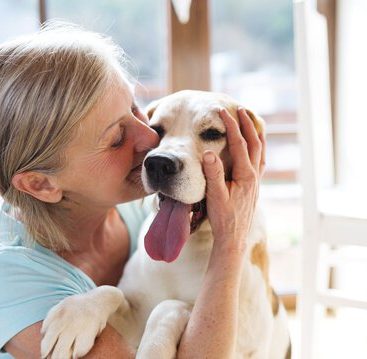
Pets can help fill some of these gaps by providing consistent companionship and affection.
Unlike human relationships, interactions with pets often involve simple, everyday moments that can bring comfort without requiring complicated conversations or social commitments.
For example:
Having an animal nearby can make a home feel less empty and provide seniors with something to look forward to each day. Although pets cannot replace meaningful human relationships, they can offer an additional source of connection and emotional support.
The emotional benefits of interacting with animals can be significant, particularly for older adults experiencing stress, anxiety, or feelings of sadness.
Spending time with a pet can provide comfort during difficult moments. Petting a dog or cat, watching fish swim, or simply sitting with a familiar animal can create a calming experience.
Some studies suggest that interacting with animals may be associated with reduced stress and improved mood. Positive interactions may also encourage the release of oxytocin, a hormone involved in social bonding and emotional connection.
Pets can also provide emotional consistency. They do not judge, criticize, or expect older adults to meet complicated social expectations. Their presence can offer reassurance and a sense of companionship.
For seniors experiencing major life transitions, such as retirement, moving into a new home, or adjusting to the loss of a spouse, having a pet may provide an additional source of comfort.
It is important to remember that pets are not a substitute for professional mental health care. However, they may be a valuable part of a broader approach to supporting emotional well-being.
Staying physically active is important for maintaining strength, mobility, balance, and overall health as people age.
Some pets, particularly dogs, naturally encourage movement throughout the day.
Daily walks, trips outside, and playing with an animal can help seniors incorporate more physical activity into their routines.
Depending on an individual’s abilities and the type of pet they own, activities may include:
These activities may help older adults remain engaged in everyday movement while providing something enjoyable to do.
For seniors with mobility limitations, smaller or less active pets may be a better option. Families should also consider whether an older adult can safely manage walking, lifting, feeding, and other responsibilities associated with pet ownership.
The goal is to find an animal and activity level that supports the senior’s abilities rather than creating additional physical challenges.
Having a pet can give older adults a renewed sense of responsibility and purpose.
Animals depend on consistent care, including feeding, grooming, exercise, and attention. These responsibilities can create structure and encourage seniors to maintain regular daily routines.
For someone who is retired or spends much of the day at home, having a pet to care for can provide meaningful activities throughout the day.
For example, a typical routine might include:
These small responsibilities can provide a sense of accomplishment and help make everyday life feel more purposeful.
However, it is important to ensure that pet care does not become overwhelming. Seniors should have the physical, financial, and practical ability to meet an animal’s needs, or have reliable assistance available.
Pets can also create opportunities for older adults to connect with other people.
For seniors who have difficulty initiating conversations or meeting new people, animals can serve as natural conversation starters.
A dog walking through the neighborhood, for example, may lead to conversations with neighbors or other pet owners. Visiting a dog park or attending a pet-related community event can also create opportunities to build new relationships.
Other ways pets can encourage social interaction include:
For seniors who live alone, these small interactions can help create a greater sense of community and belonging.
Even when an older adult is unable to leave home frequently, sharing stories and photos of a beloved pet can provide an enjoyable way to stay connected with loved ones.
Cognitive health is another important consideration as people age. Staying mentally engaged, maintaining routines, and participating in meaningful activities can contribute to overall well-being.
Caring for a pet involves several everyday tasks that encourage attention, memory, and decision-making.
For example, seniors may need to remember feeding schedules, recognize when an animal needs attention, prepare meals, or follow grooming routines.
Interacting with pets can also provide sensory stimulation through touch, sound, movement, and observation.
For older adults experiencing cognitive changes, familiar animals may offer comfort and help create positive daily experiences.
Some animal-assisted activities are also used in therapeutic and memory care settings to encourage engagement and social interaction.
However, pet ownership should be evaluated carefully for individuals with dementia or other cognitive conditions. Families should consider whether the senior can safely interact with the animal and whether another person can reliably manage its care.
For older adults who spend much of their time at home, the environment can have a significant impact on their quality of life.
A familiar pet can make a living space feel warmer, more welcoming, and less isolating.
Pets can also provide comfort during periods of transition. For example, seniors moving into a smaller home, downsizing, or adjusting to a new living arrangement may find reassurance in maintaining a relationship with a familiar animal.
For some older adults, being able to keep a beloved pet is an important part of maintaining independence and emotional stability.
Families considering a move into assisted living or another residential setting should explore pet-friendly options whenever possible if keeping the animal is important to their loved one’s well-being.
Choosing the Right Pet for an Older Adult
While pets can offer many potential benefits, not every animal is appropriate for every senior.
Choosing the right pet requires considering an individual’s lifestyle, health, living environment, financial resources, and ability to provide ongoing care.
Here are several factors families should consider.
Activity Level: An energetic dog may require more exercise than a senior with limited mobility can comfortably provide. A calmer, older animal may be a better match.
Size and Strength: Larger dogs can be difficult to manage, particularly for individuals with balance or strength limitations. Smaller animals may be easier to handle, although they still require appropriate care.
Grooming Requirements: Some pets require frequent brushing, bathing, or professional grooming. Consider whether these responsibilities are manageable.
Financial Responsibilities: Pet ownership involves ongoing expenses, including food, supplies, vaccinations, veterinary appointments, medications, and emergency care.
Living Arrangements: Check housing policies, lease agreements, or community rules regarding pets. Make sure the home has enough space and is safe for both the senior and the animal.
Long-Term Planning: Families should consider who will care for the pet if the senior becomes ill, requires hospitalization, or can no longer manage daily responsibilities.
For some older adults, adopting a senior pet from a shelter may be a wonderful option. Older animals may have calmer temperaments and lower activity requirements than puppies or kittens.
The most important consideration is finding a pet whose needs and personality are compatible with the senior’s lifestyle.
Pet Safety Tips for Seniors and Their Families
Although pets can improve quality of life, they can also introduce certain safety concerns, particularly for older adults with balance issues, reduced vision, or mobility challenges.
Taking a few precautions can help make pet ownership safer and more enjoyable.
Pet toys, food bowls, leashes, and bedding can become tripping hazards. Keep walkways clear and place pet supplies in designated areas.
For seniors who walk dogs, use comfortable, secure leashes and harnesses. Avoid situations where a dog may pull suddenly or cause its owner to lose balance.
Keep pets current on recommended vaccinations, parasite prevention, and routine veterinary visits. Regular care helps protect both the animal and its owner.
Wash hands after handling pet waste, cleaning litter boxes, or preparing pet food. Keep litter boxes and feeding areas clean.
Some seniors may develop or experience worsening allergies around animals. Individuals with weakened immune systems should discuss appropriate precautions with their healthcare provider.
Make arrangements with family members, friends, or professional pet sitters who can help if the senior becomes temporarily unable to care for the animal.
Taking these steps can help reduce risks while allowing seniors to enjoy the companionship pets provide.
How In-Home Caregivers Can Help Seniors Enjoy Pet Companionship
For older adults who love animals but need assistance with everyday activities, in-home care can make it easier to maintain a comfortable lifestyle.
Professional caregivers can help seniors with daily responsibilities while supporting their ability to remain independent at home.
Depending on the individual’s care plan and the services offered, assistance may include:
For example, a senior who has difficulty standing for long periods may still enjoy having a cat if someone helps with household responsibilities and litter box maintenance.
Likewise, an older adult who enjoys spending time with a dog may benefit from assistance with walking or other physically demanding activities.
In-home care does not replace responsible pet ownership, but it can provide valuable support that helps seniors continue enjoying the companionship of an animal.
Pets Can Be an Important Part of Healthy Aging
The relationship between people and animals can be incredibly meaningful, especially during the later stages of life. For many seniors, pets provide companionship, encourage activity, create daily routines, and bring happiness to otherwise ordinary moments.
Although pet ownership is not suitable for everyone, the right animal can become a valuable part of an older adult’s support system.
Families should carefully consider their loved one’s abilities, preferences, and living arrangements before introducing a new pet. When the responsibilities are manageable, the emotional and social benefits may make a meaningful difference in overall quality of life.
Ultimately, healthy aging is about more than managing medical needs. It is also about maintaining meaningful relationships, enjoying everyday activities, and finding opportunities for happiness and connection.
How Acti-Kare Helps Seniors Maintain Independence at Home
At Acti-Kare, we understand that maintaining quality of life means more than simply helping with daily necessities. It means supporting the activities, relationships, and routines that make life meaningful.
Our in-home care services are designed to help seniors remain comfortable and independent in familiar surroundings while receiving personalized assistance based on their individual needs.
Whether your loved one needs help with personal care, meal preparation, light housekeeping, companionship, or everyday activities, our caregivers can provide support that helps make daily life easier.
For seniors who enjoy the companionship of pets, having additional assistance around the home may also make it easier to maintain the routines and responsibilities associated with pet ownership.
Is your loved one ready for a little extra support at home? Contact Acti-Kare today to learn more about our personalized in-home care services and discover how we can help your family support a happier, healthier, and more independent lifestyle.
Disclosure: This article is intended for general educational purposes and is not a substitute for medical or veterinary advice. Pet ownership and animal interactions should be evaluated based on an individual’s health, mobility, living environment, and care needs. Research on the health benefits of pet ownership is promising, but outcomes vary, and pet ownership does not guarantee specific physical or mental health improvements.
 Recent Posts
Visit any critical care unit, children’s hospital, or other specialty inpatient facility, and you’ll find a common feature: therapy dogs. For decades, healthcare practitioners have understood the surprisingly positive effects on patients of time spend with cute and cuddly dogs.

Doctors are in increasingly short supply these days, so it’s not uncommon for patients to spend more time with physician assistants (PAs) and nurse practitioners (NPs) than their actual MD. This trend has sparked controversy among physicians and patients alike.
 0 Comments
 Emily N.
 November 24 ,
2026

